Please rotate your device to
experience our website.


Our Bonsai brand encompasses our comprehensive range of eco-friendly packaging products. We utilise over 15 factories worldwide to source a wide range of extra-durable and quality tested solutions to meet our consumer demands.
Our products in this range include but are not limited to Packaging materials, Cardboard packaging, Packaging cartons of cardboard, Packaging cartons of card, Plastic material for packaging, Paper bags for packaging, Plastic films for packaging, Plastic sheets for packaging, Plastic bags for packaging, Plastic foil for packaging, Aluminium foil for packaging, Packaging boxes of cardboard, Packaging boxes of card, Packaging containers of paper, Plastic materials for packaging, Packaging wrappers of plastic, Lining papers for packaging, Cartons of card for packaging, Containers of card for packaging, Eco-friendly packaging and Paperboard trays for packaging food.
We are always developing new and innovative packaging solutions, so look out for new products coming soon.

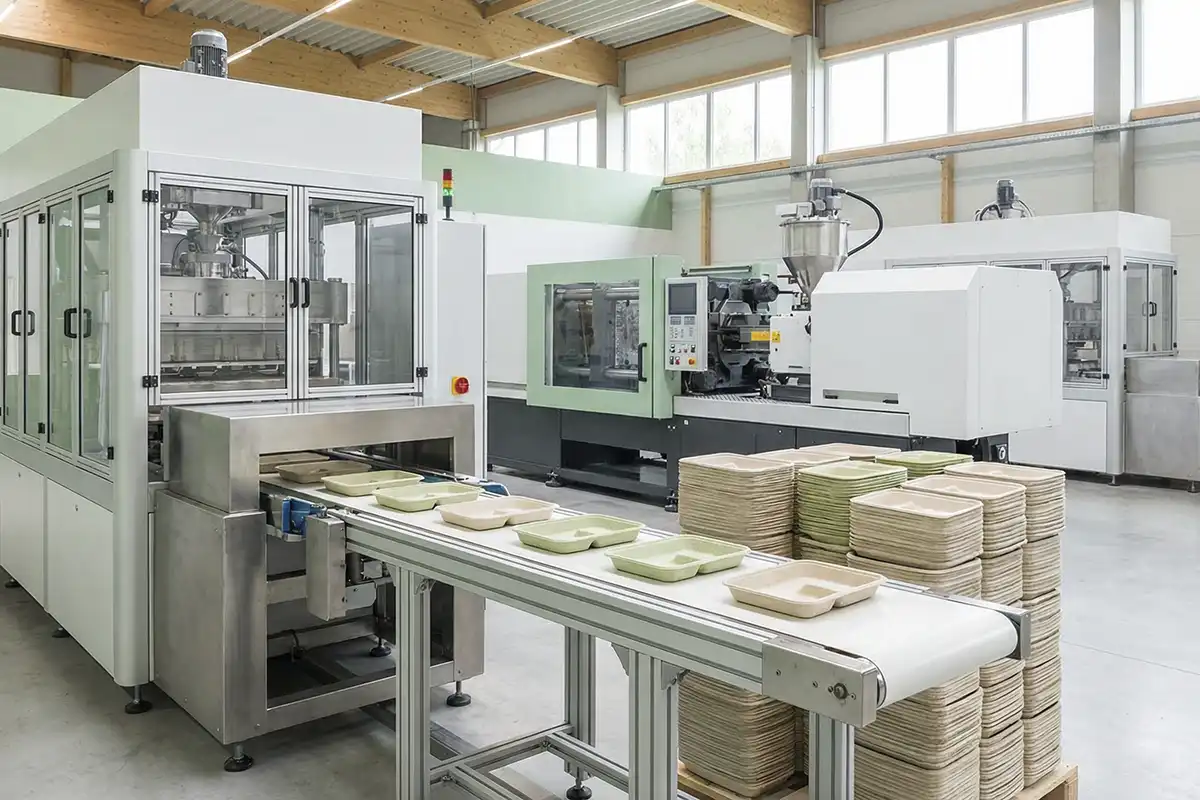
Thermoform and injection moulders are advanced manufacturing techniques used to create durable, precise, and lightweight products, particularly for food packaging. Thermoforming involves heating plastic sheets to mold them into specific shapes, while injection molding injects molten plastic into molds for complex designs. Both methods produce foodsafe, leak-resistant containers that preserve freshness and prevent contamination.
Their precision ensures consistent quality, and the lightweight design enhances convenience for transportation and use. Highly efficient and versatile, thermoform and injection moulders are ideal for creating sustainable, recyclablepackaging solutions tailored to modern food service needs.
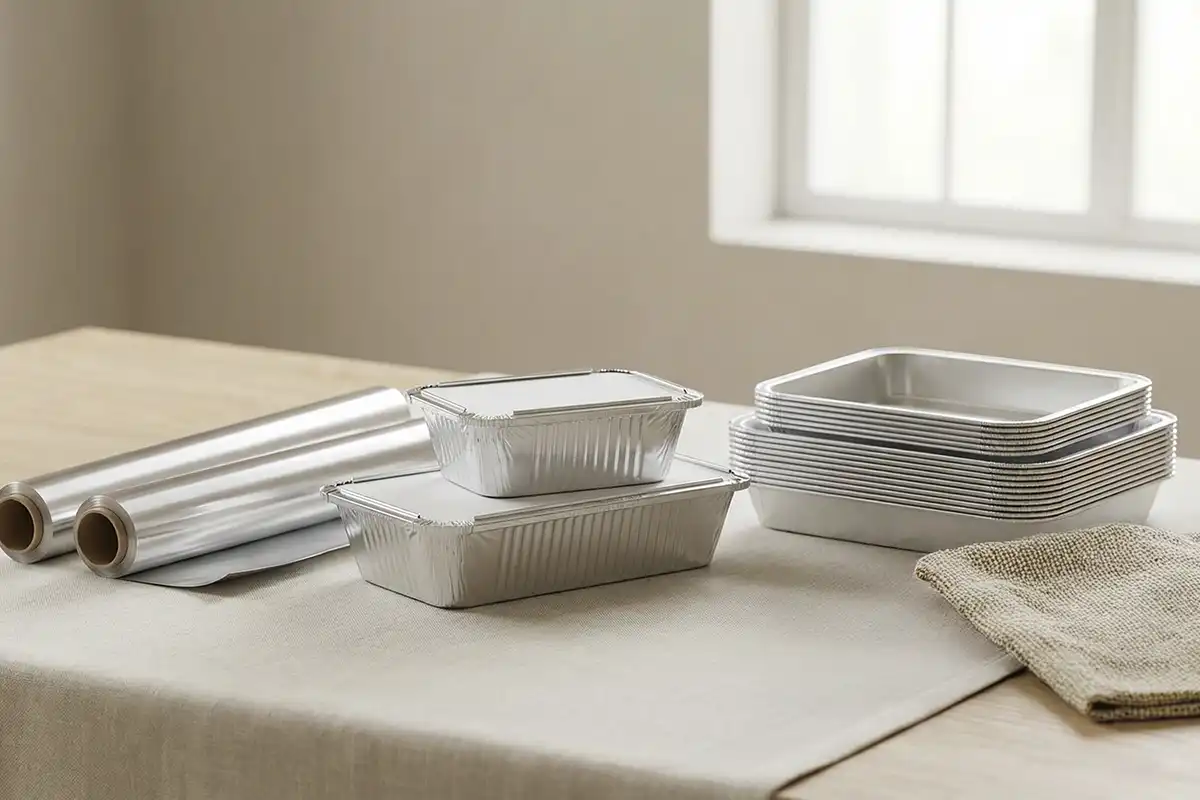
Aluminium is a lightweight, durable, and versatile material that is highly valued for its strength and resistance to corrosion. Its excellent heat conductivity makes it ideal for products like foil rolls and containers, as it helps retain heat and maintain food freshness.
Aluminium is also non-toxic, food-safe, and offers a protective barrier against moisture, light, and odours, making it a popular choice for food packaging. Additionally, it is recyclable, making it an environmentally-friendly option. Its flexibility and ability to be easily molded into various shapes make aluminium perfect for a wide range of applications, from cooking and storage to packaging and transportation.
Eco-friendly packaging is designed to minimise environmental impact by using sustainable materials, reducing waste, and promoting recyclability. It is typically made from biodegradable, compostable, or recyclable materials such as kraft paper, bamboo, cornstarch-based plastics, or recycled cardboard.
This type of packaging aims to reduce carbon footprints by utilising renewable resources and minimising harmful chemicals. Many eco-friendly packaging solutions also use soy-based inks, water-based adhesives and minimalist designs to decrease waste.

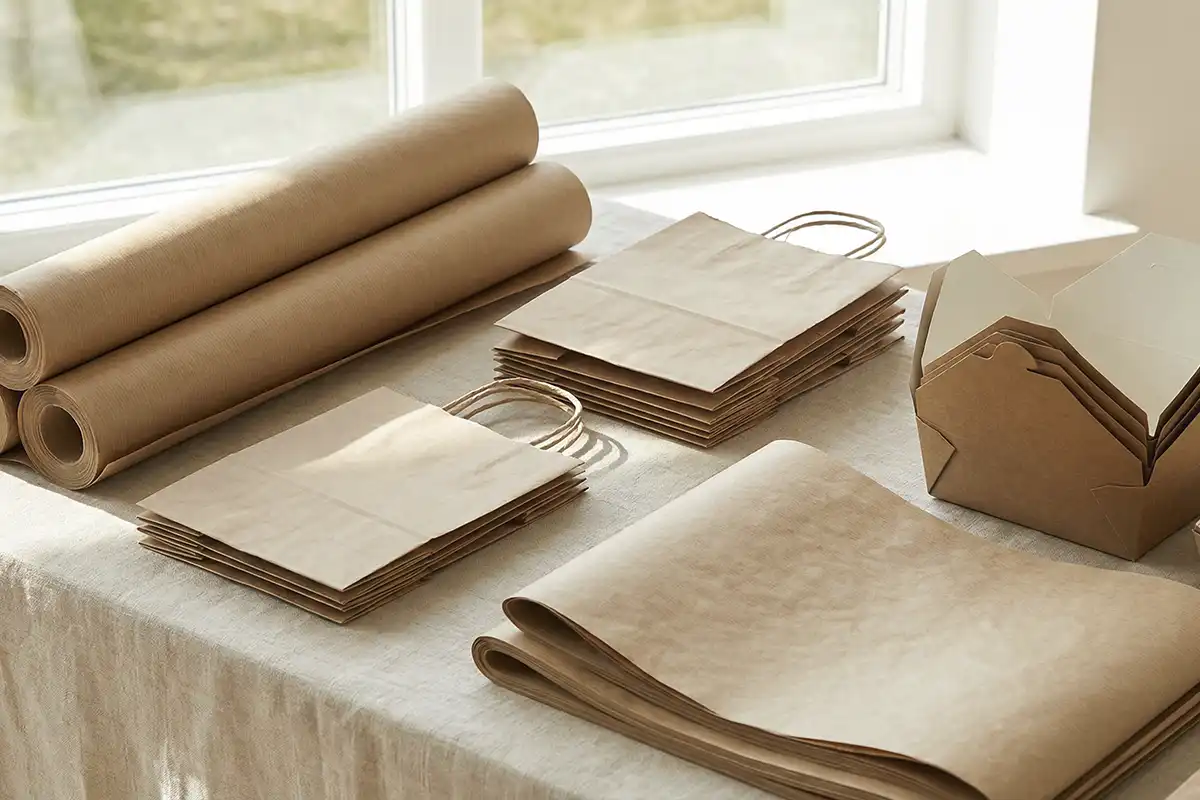
Paper conversions involve transforming high-quality paper into practical packaging and wrapping products designed for various uses. Made from durable, renewable materials, these products offer excellent strength, flexibility, and tear resistance, ensuring reliable performance for food, retail, or industrial applications.
The natural composition of paper makes it biodegradable and recyclable, supporting environmentally-conscious practices. Paper conversions provide a versatile, eco-friendly solution that balances functionality with sustainability, meeting the demands of modern packaging while reducing environmental impact.